What Moisturizers Actually Do: Humectants, Emollients, and Occlusives
A moisturizer is not a single-ingredient product. It is a blend of three functional categories that work together. Humectants attract and hold water in the upper layers of the skin. Emollients soften and smooth the surface by filling gaps between skin cells. Occlusives slow water loss by forming a film on the surface. Most formulas combine all three, but the ratios change the feel and the performance.
When you compare a luxury moisturizer with a mid-range option, the first question is whether the formula delivers a meaningful balance of these functions for your skin. A product with a high humectant load may feel hydrating at first but not enough for dry skin without an occlusive to seal it in. A heavy occlusive formula may protect against water loss but feel greasy or cause congestion for some users. The practical comparison is not luxury versus drugstore; it is which blend of humectant, emollient, and occlusive matches your skin's needs and your daily tolerance for texture.
- Humectants: glycerin, hyaluronic acid, panthenol, and similar ingredients draw water into the skin.
- Emollients: squalane, fatty alcohols, plant oils, and esters soften and smooth the surface.
- Occlusives: petrolatum, dimethicone, and some waxes reduce water loss by forming a barrier.
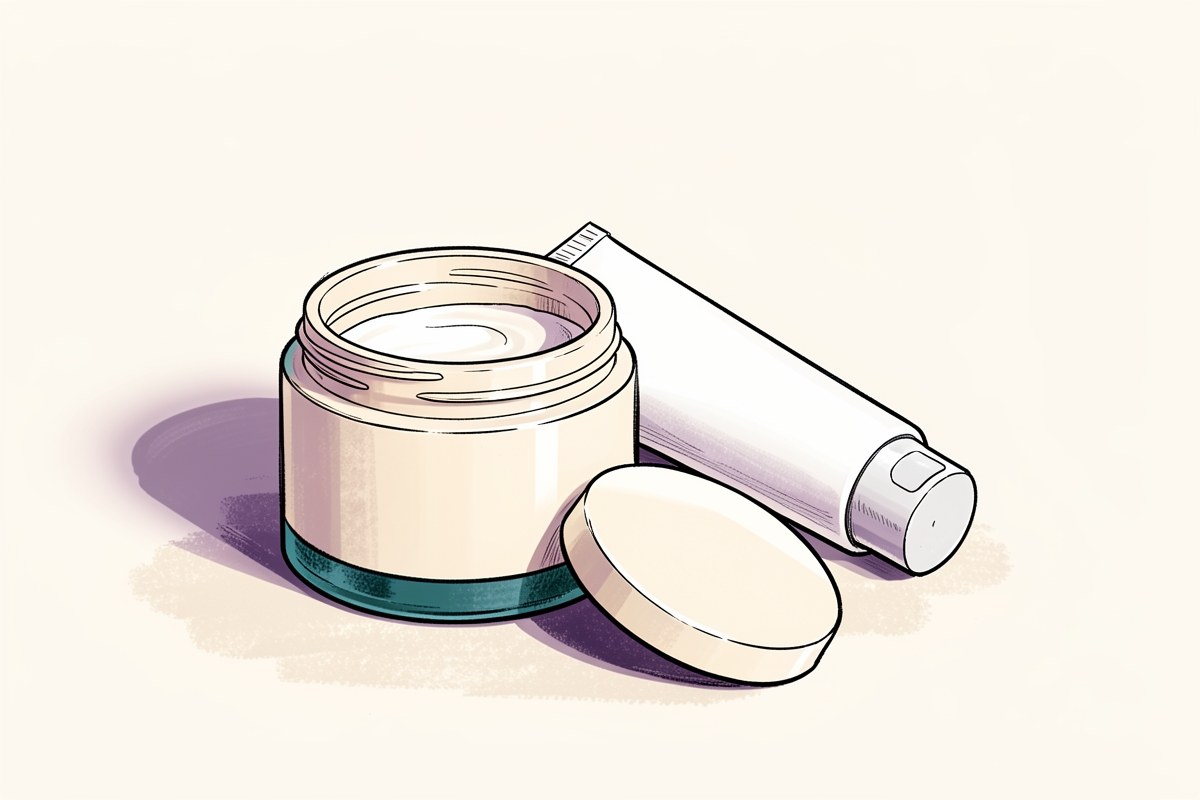
How Barrier-Support Ingredients Differ Between Mid-Range and Luxury Formulas
Barrier-support ingredients such as ceramides, fatty acids, and cholesterol are common talking points in premium skincare. What differs between price tiers is not whether these ingredients can appear, but how they are formulated, how transparently they are disclosed, and whether the overall blend supports consistent use. A mid-range moisturizer may include ceramides and squalane in a short, readable ingredient list. A luxury formula may use the same category of ingredients in a more complex base with additional sensory modifiers.
Brand-owned editorial guidance suggests that evaluating a luxury formula should include INCI transparency, active concentration where relevant, and packaging integrity. These are reasonable criteria regardless of price. The presence of barrier ingredients is not a luxury exclusive; the formulation goal is to support the skin barrier without causing irritation or making the product unpleasant to use. Independent reviews of specific products show that a mid-range moisturizer can contain squalane, glycerin, hyaluronic acid, and multiple ceramides in a concise formula. That does not mean every luxury formula is equivalent, but it does mean the ingredient list alone is not a reliable price justification.
- Ceramides: lipid molecules that help reinforce the skin barrier; often paired with fatty acids and cholesterol.
- Fatty acids: contribute to the barrier and can also affect texture and spreadability.
- Cholesterol: a barrier lipid that is sometimes included in premium formulations.
- Squalane: a lightweight emollient common in both mass and luxury products.
Sources: The New York Times / Wirecutter, Apiceuticals
Texture, Finish, and Sensory Experience as Part of Value
Texture and sensory experience are not superficial extras. Peer-reviewed research on topical skincare indicates that for cosmetic products, sensory qualities relate to pleasant experiences and luxury, while pharmaceutical products are experienced more in utilitarian terms. The same review reports that low-viscosity products tend to be perceived as fresher, and high-viscosity products tend to be associated with oiliness, opacity, and moistness. It also summarizes prior evidence that a preference for thicker over thinner textures has been reported and is associated with higher perceived quality, though this is a pattern in the literature rather than a universal rule.
The value mechanism is straightforward: a moisturizer that feels pleasant is more likely to be used consistently, and consistent use is what produces long-term results. Brand-owned editorial guidance makes the same point about sensory texture, stating that a cream that absorbs without residue increases the likelihood of daily use. This does not prove that a luxury moisturizer performs better than a mid-range one, but it does mean that texture and finish are legitimate criteria when you decide whether the price is justified for you. If a texture makes you want to use the product every day, that is a functional benefit even if it is not captured in a clinical measurement.
- Low-viscosity textures tend to feel fresher; high-viscosity textures tend to feel richer and more occlusive.
- A preference for thicker textures has been associated with higher perceived quality in some sensory research.
- Sensory experience can influence adherence, which is a real driver of outcomes over time.
- Packaging perception can also shape how a product is experienced; one review reports that luxurious visual packaging enhanced perceived comfort, absorption, and elegance compared with a neutral design, regardless of price point.
Sources: Heliyon (peer-reviewed, PMC), Apiceuticals
Comparing Cost per Use Across Jar, Pump, and Refill Formats
Cost per use is a more useful comparison than sticker price because it accounts for how much product you apply and how long the container lasts. A 1.7-ounce jar and a 2.5-ounce refill pouch are not directly comparable without converting to a common unit. Independent reviews of specific moisturizers provide examples of how packaging format and refill pricing work in practice: one refillable frosted-glass bottle with a pump cost about $45 for the initial 1.7-ounce bottle and about $50 for a 2.5-ounce refill pouch at the time of writing. That means the refill format can change the effective cost per ounce, even if the initial purchase looks expensive.
Packaging also affects formulation stability and dispensing control. A pump or airless dispenser limits exposure to air and fingers, which can matter for ingredients that are sensitive to oxidation. A jar requires you to dip your fingers in, which introduces more air and potential contamination. These are practical differences that can influence value over the life of the product. When comparing formats, look at the net weight or volume, the price per unit, and whether a refill option exists. A higher upfront price may be defensible if the refill pouch lowers the ongoing cost per use and the pump improves dosing control.
- Calculate cost per ounce or per milliliter using the net weight and the purchase price.
- Refill formats can reduce ongoing cost, but compare the refill price to the original container price.
- Pumps and airless dispensers can limit air exposure and give more consistent dosing than jars.
- Jars are common but require more careful handling to avoid contamination.
Sources: The New York Times / Wirecutter
When the Luxury Upgrade Is Defensible and When It Is Mostly Packaging or Scent
The luxury upgrade is defensible when it delivers a combination of barrier-support ingredients, a texture you will actually use daily, and packaging that protects the formula and dispenses it reliably. It is also defensible if the sensory experience meaningfully improves your adherence, because consistent use is a functional outcome. Brand-owned editorial sources define luxury skincare as a premium tier that emphasizes experience and presentation in addition to skin benefits, and they note that performance depends on the final formula and how it is used. That definition is consistent across sources and is a fair starting point.
The upgrade is mostly packaging or scent when the formula does not offer a meaningful barrier or texture advantage for your skin, and the price difference is driven by vessel design, fragrance, or brand positioning. Peer-reviewed research reports that luxurious visual packaging enhanced perceived attributes such as comfort, absorption, and elegance compared with a neutral design, regardless of price point. In other words, packaging can change how a product feels without changing what it does. Scent can also influence the experience, though fragrance is a common source of irritation for sensitive skin. If a luxury moisturizer costs several times more than a mid-range alternative but your skin responds equally well to both, the premium is being paid for experience rather than measured performance.
- Defensible: the formula includes barrier-support ingredients you need, the texture supports daily use, and the packaging protects the product.
- Defensible: the sensory experience improves your consistency enough to matter for your skin over time.
- Mostly packaging or scent: the formula offers no clear functional advantage for your skin and the price is driven by vessel or fragrance.
- Sensitive skin: fragrance and essential oils in luxury formulas can be a reason to choose a simpler product instead.
Sources: Heliyon (peer-reviewed, PMC), Yon-Ka Paris, Apiceuticals
A Moisturizer Comparison Checklist
Use this checklist when you compare a luxury moisturizer with a mid-range alternative. It is designed to keep the decision grounded in formulation, texture, and cost per use rather than brand impression. You can copy it into a notes app or write it on paper and fill it in for each product you are considering.
Start with the ingredient list. Identify the humectants, emollients, and occlusives, and note whether barrier-support ingredients such as ceramides, fatty acids, or cholesterol are present. Then assess texture: does the product feel appropriate for your skin type and the climate you live in? Next, check the packaging format and whether a refill is available. Finally, calculate the cost per ounce and estimate how many days the container will last based on your typical usage.
After you have the facts, consider the less measurable factors. Does the scent bother you? Does the pump dispense a consistent amount? Does the texture make you want to apply it every day? These are not trivial questions because adherence is part of value. If a luxury product wins on adherence but not on formulation, you are paying for the experience. If it wins on both, the upgrade is easier to justify.
- Ingredient list: note humectants, emollients, occlusives, and any barrier-support ingredients.
- Skin fit: does the formula match your skin type and sensitivity?
- Texture and finish: does it absorb without residue, or does it feel heavy or greasy?
- Packaging: pump, airless, jar, or tube? Is a refill available?
- Cost per use: divide the price by the net weight or volume, and factor in refill pricing.
- Adherence: will you actually use it daily?
Sources: Heliyon (peer-reviewed, PMC), The New York Times / Wirecutter, Apiceuticals
Side-by-Side Category and Decision-Criteria Matrix
The table below compares moisturizer categories and decision criteria rather than isolating named products. It summarizes the trade-offs that matter when you evaluate whether a luxury moisturizer earns its price. Use it alongside the checklist to structure your own comparison.
| Criterion | Mid-range / mass-market | Premium / luxury | What to check |
|---|---|---|---|
| Barrier ingredients | Ceramides, squalane, glycerin, and hyaluronic acid are common and can appear in short, readable formulas. | Ceramides, fatty acids, and cholesterol may appear in more complex bases with additional sensory modifiers. | Look for the specific barrier ingredients you need, not just the marketing claims. |
| Texture and finish | Often medium-weight; independent testers have described some mass-market textures as comparable to much more expensive products. | Often designed for a specific sensory profile; may be richer, silkier, or more elegant in application. | Choose a texture you will apply daily; adherences is part of value. |
| Packaging format | Tubes and simple jars are common; refills are less common but increasingly available. | Pumps, airless dispensers, frosted glass, and refill pouches are more common. | Pumps and airless formats limit air exposure; refills can lower ongoing cost. |
| Cost per use | Lower upfront price; cost per ounce is often lower, but usage amount still matters. | Higher upfront price; refill formats can reduce ongoing cost per ounce. | Calculate cost per ounce and compare refill pricing to the original container. |
| Sensory value | May prioritize function over experience; texture can still be pleasant. | Experience and presentation are part of the positioning, and sensory cues can influence perceived value. | Decide how much the experience is worth to you and whether it changes your daily use. |
| Sensitive skin fit | Simpler formulas with fewer ingredients can be easier to tolerate. | Fragrance, essential oils, and botanicals are more common and can irritate sensitive skin. | Patch test and review the ingredient list if your skin is reactive. |
Sources: Heliyon (peer-reviewed, PMC), Yon-Ka Paris, The New York Times / Wirecutter
Frequently asked questions
Do luxury moisturizers work better than drugstore moisturizers?
Not necessarily. A moisturizer's performance depends on the formula and how it is used, not on its price tier. Independent reviews have found that a mid-range moisturizer can contain squalane, glycerin, hyaluronic acid, and multiple ceramides in a concise formula, and testers have described its texture as comparable to a much more expensive product. Luxury formulas may offer a more refined texture, more elegant packaging, or a more complex sensory experience, and those factors can influence how consistently you use the product. But a higher price does not guarantee better barrier support or better moisturizing performance for your skin.
Sources: Yon-Ka Paris, The New York Times / WirecutterAre expensive moisturizers worth it for dry skin?
For dry skin, the key factors are the balance of humectants, emollients, and occlusives, and whether the formula supports the skin barrier without causing irritation. A luxury moisturizer can be worth it if it delivers the barrier ingredients you need, a texture you will apply daily, and packaging that protects the formula. It is less likely to be worth it if a mid-range alternative with a similar blend of ingredients works equally well for you. Cost per use is a useful way to compare: divide the price by the net weight, and consider whether a refill format lowers the ongoing cost. The decision should be based on your skin's response and your daily consistency, not on the price tag alone.
Sources: The New York Times / Wirecutter, ApiceuticalsHow much does packaging affect the price of a moisturizer?
Packaging can affect both the cost and the experience. Pumps, airless dispensers, frosted glass, and refill systems generally cost more to produce than simple tubes or jars. Peer-reviewed research reports that luxurious visual packaging enhanced perceived attributes such as comfort, absorption, and elegance compared with a neutral design, regardless of the product's price point. That means packaging can change how a product feels without changing what it does. From a value perspective, a pump or airless format can also protect the formula from air exposure and give more consistent dosing. Refill pouches can reduce the ongoing cost per ounce, even if the initial container is expensive.
Sources: Heliyon (peer-reviewed, PMC), The New York Times / WirecutterCan a simpler moisturizer be better for sensitive skin?
Yes, a simpler formula can be better for sensitive skin. Fewer ingredients means fewer opportunities for irritation, and fragrance, essential oils, and some botanical extracts are common triggers. Luxury formulas often include these ingredients for sensory reasons, which can be a disadvantage if your skin is reactive. When comparing products, look for a short ingredient list with the barrier ingredients you need, and patch test before applying to your full face. A mid-range moisturizer with a straightforward formula may be easier to tolerate than a luxury product with a complex fragrance or botanical blend.
Sources: The New York Times / Wirecutter, ApiceuticalsHow do I calculate cost per use for a moisturizer?
Divide the purchase price by the net weight or volume in ounces or milliliters to get the cost per unit. Then estimate how many days the container will last based on how much you typically apply per use. For example, if a 1.7-ounce bottle costs about $45 and you use it twice daily, you can calculate the approximate cost per day by dividing the total price by the number of days the bottle lasts. If a refill pouch is available, compare its price per ounce to the original container. This gives you a more meaningful comparison than the sticker price alone, especially when you are deciding whether a luxury moisturizer is worth the upgrade.
Sources: The New York Times / WirecutterDoes texture really matter, or is it just marketing?
Texture matters because it affects how consistently you use the product. Peer-reviewed research indicates that for cosmetic products, sensory qualities relate to pleasant experiences and luxury, and that a cream which absorbs without residue increases the likelihood of daily use. The same review reports that low-viscosity products tend to be perceived as fresher, while high-viscosity products tend to be associated with oiliness, opacity, and moistness. A texture you enjoy is not just a marketing feature; it can support adherence, and adherence is what produces long-term results. That said, texture alone does not prove superior moisturizing performance, so it should be one criterion among several.
Sources: Heliyon (peer-reviewed, PMC), ApiceuticalsSources
- Reshaping the experience of topical skincare products: A multisensory approach for promoting loyalty and adherence — Heliyon (peer-reviewed, PMC)
- Luxury Skin Care Products: How to Evaluate Formulas, Safety, and Value — Yon-Ka Paris
- The 7 Best Moisturizers of 2026 | Reviews by Wirecutter — The New York Times / Wirecutter
- How to Evaluate Luxury Skincare: A Science-First Guide - Apiceuticals — Apiceuticals