How to describe skin concerns without self-diagnosing
Before comparing luxury skincare for skin concerns, it helps to separate what you notice from what a clinician would diagnose. You can describe your skin as dry, oily, sensitive, or uneven in tone without labeling it with a medical condition. That distinction keeps the focus on formulation choices rather than on treatment claims.
A useful starting point is to write down three things: what you see and feel, when it happens, and what you have already tried. For example, tightness after cleansing that fades within an hour is different from persistent flaking that lasts all day. A product that stings briefly on application is different from one that leaves a red, itchy patch that lasts for days. These patterns help you choose categories of ingredients, but they do not tell you what condition you have.
The term hero ingredient is used in the beauty industry to describe a compound featured as the main selling point of a formula. A brand blog describes the term as applying to compounds vetted for evidence and relevance, delivery, compatibility, and tolerance. That is a commercial framing, not a clinical standard, so treat a hero ingredient as a starting point for reading a label rather than as proof that a product will work for your skin.
- Describe what you notice in plain language: tightness, shine, flaking, stinging, redness, rough texture, or dark spots.
- Note timing: does it happen after cleansing, after a specific product, in winter, or year-round?
- List products you currently use, including cleansers, serums, moisturizers, and sunscreen.
- Avoid diagnosing yourself with conditions such as rosacea, eczema, or acne based on a product description or a marketing claim.
Sources: U Beauty (brand blog)
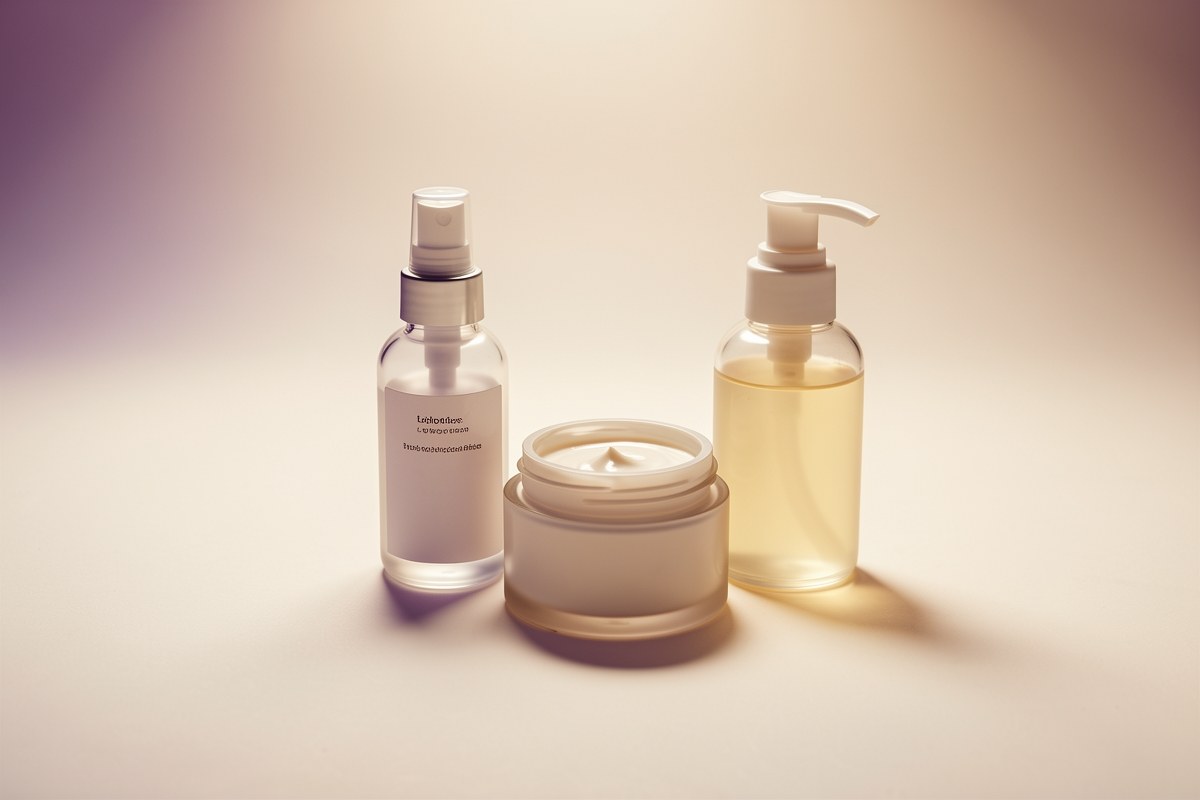
Dryness and dehydration: ingredients that support the skin barrier
Dryness and dehydration are often used interchangeably, but they point to different formulation strategies. Dryness usually describes a skin barrier that is not holding moisture well, while dehydration describes a lack of water in the upper layers. Luxury skincare for dry skin often combines occlusive or emollient ingredients with humectants that draw water into the skin.
Ceramides are one of the most frequently cited ingredients for barrier support. A peer-reviewed review describes ceramides as fat molecules that protect the skin from pollution and other environmental stressors and keep the skin hydrated and moisturized. A dermatologist quoted in Vogue describes ceramides as the mortar that holds skin cells together and says daily factors such as high winds, soaps, and hot water can remove ceramides from the skin and weaken the barrier. Skincare containing ceramides is used to help replenish that barrier.
Hyaluronic acid and glycerin are common humectants. One peer-reviewed review describes hyaluronic acid as a moisture-binding ingredient that keeps the skin soft and radiant and notes it is mostly used in anti-aging skincare products. Harvard Health Publishing states that, as people age, skin naturally loses its ability to retain moisture due to decreasing stores of hyaluronic acid, and that replacing it through topical serums or moisturizers may help boost overall hydration and can improve the appearance of wrinkles and firmness. A cosmetic chemist quoted in Women's Health takes a more skeptical view, saying hyaluronic acid is not better than glycerin because its molecule is too large to penetrate into the skin, so it provides topical moisturization at best. Both views are worth knowing when you read a luxury serum label.
Dimethicone is another option for dry skin. Cleveland Clinic states that dimethicone is the second-most common ingredient in moisturizers and that moisturizers containing it can be beneficial for dry skin, especially in winter. Glycerin is described by Cleveland Clinic as a natural moisturizing ingredient that helps repair dry or cracked skin.
- Look for ceramides, glycerin, hyaluronic acid, and dimethicone in moisturizers and serums.
- Layer a humectant serum under a richer moisturizer if your skin feels tight after cleansing.
- Be cautious with foaming cleansers and hot water if your barrier feels compromised.
- Expect gradual change; Harvard Health Publishing notes that improvements in skin appearance may be subtle and can take time.
Sources: Environmental Science and Pollution Research International (peer-reviewed, PMC), Cleveland Clinic (Health Essentials), Harvard Health Publishing, Women's Health, Vogue
Oiliness and clogged pores: lightweight and non-comedogenic luxury options
For oily or clogged skin, the goal is often to reduce excess oil and keep pores clear without stripping the barrier. Luxury skincare for oily skin tends to favor lightweight lotions, gels, and serums over heavy creams. The ingredient list matters more than the price tier.
Salicylic acid is a beta-hydroxy acid that Cleveland Clinic states removes dead skin, improves the texture and color of sun-damaged skin, penetrates oil-laden hair follicle openings, and helps with acne. A peer-reviewed review explains that alpha-hydroxy acids and beta-hydroxy acids work by exfoliating dead skin by dissolving the bonds between skin cells. Cleveland Clinic also quotes dermatologist Dr. Wilma Bergfeld saying salicylic acid can in many cases be less irritating than products containing alpha-hydroxy acids while providing similar improvement in skin texture and color.
Niacinamide is another frequent choice for oily and blemish-prone skin. A peer-reviewed review states that niacinamide has anti-inflammatory properties and boosts the level of fatty acid in the skin. Harvard Health Publishing reports that topical niacinamide at 5% concentration applied twice a day was shown in a randomized controlled split-face trial to reduce freckles and sun spots in as soon as four weeks, with results maintained through the eight-week treatment period, and that it appears to be well tolerated with no serious side effects.
Benzoyl peroxide is a well-known option for inflammatory breakouts. Vogue quotes dermatologist Dr. Elyse Love saying benzoyl peroxide is one of the most effective ingredients to treat red, inflammatory breakouts and helps decrease oiliness, but it can be irritating, so it is best to stick to formulas around 2.5% for the face. Glycolic acid is also described by Vogue, through dermatologist Dr. Michele Green, as well suited to acne-prone skin due to its ability to reduce excess sebum production and unclog pores.
- Choose lightweight gel or lotion textures rather than heavy balms if you are oily.
- Salicylic acid, niacinamide, glycolic acid, and low-concentration benzoyl peroxide are common starting points.
- Introduce one active at a time and watch for dryness or stinging.
- Avoid layering multiple exfoliating acids in the same routine.
Sources: Environmental Science and Pollution Research International (peer-reviewed, PMC), Cleveland Clinic (Health Essentials), Harvard Health Publishing, Vogue
Sensitivity and redness: fragrance, preservatives, and minimalist formulas
Sensitive skin reacts to a wider range of ingredients, and luxury pricing does not automatically mean a formula is gentler. A peer-reviewed review notes that a typical cosmetic contains about 15–20 ingredients, including water, emulsifier, preservatives, thickeners, color, emollient, and fragrances. It states that water-soluble preservatives such as paraben, formaldehyde, salicylic acid, and benzyl alcohol are added to extend shelf life and prevent microbial growth, with preservative concentrations that may range from 0.01 to 5%. That range describes general formulation practice, not a regulatory limit.
If your skin is reactive, fragrance and certain preservatives are common triggers to consider. GoodRx lists methylisothiazolinone as a preservative widely used in skin care wipes that was named Allergen of the Year in 2013 because it can cause significant skin irritation and allergic contact dermatitis, and advises that people with sensitive skin or prone to rashes may want to avoid it. GoodRx also states that benzalkonium chloride is used widely as a preservative, is a known skin and eye irritant, and can trigger allergic reactions. Formaldehyde-releasing compounds are another category GoodRx flags, especially in nail and eyelash adhesives, though they can appear in skin care products as well.
A minimalist formula is not defined by a single legal standard, but a shorter ingredient list can make it easier to identify what you are reacting to. Vogue quotes dermatologist Dr. Elyse Love saying azelaic acid improves redness, sensitivity, breakouts, and pigmentation and is great for rosacea and acne-prone skin, and dermatologist Dr. Shereene Idriss noting that azelaic acid is not an exfoliating acid, unlike AHAs and BHAs, and can be used morning and night. Cleveland Clinic quotes Dr. Bergfeld saying niacinamide, a form of vitamin B3, can help retain moisture and stop skin flushing, and that face masks with this ingredient can help reduce redness and swelling in rosacea. These are individual expert observations, not evidence that a luxury product treats rosacea or acne.
- Patch test new products on a small area before applying to the full face.
- Consider fragrance-free and shorter ingredient lists if your skin reacts easily.
- Be cautious with methylisothiazolinone, benzalkonium chloride, and formaldehyde-releasing preservatives if you are prone to contact dermatitis.
- Azelaic acid and niacinamide are commonly discussed for redness, but they are not substitutes for medical care.
Sources: Cleveland Clinic (Health Essentials), GoodRx Health, Vogue, Environmental Science and Pollution Research International (peer-reviewed, PMC)
aging: what topical ingredients can and cannot do
Topical ingredients can improve the appearance of fine lines, roughness, dryness, and uneven tone. Harvard Health Publishing states that for treatment of deep wrinkles or sagging skin, or for medical skin concerns, care should be sought from a board-certified dermatologist. That is the clearest boundary in the guidance: topicals have a role, and there is a point where a professional evaluation is the right next step.
Bakuchiol is marketed as a gentler alternative. Vogue quotes dermatologist Dr. Corey L. Hartman saying bakuchiol is a plant-derived retinol alternative suited to people who cannot tolerate retinol because of very sensitive skin or who are opposed to stronger formulas, and that it works to reduce fine lines, improve skin elasticity, and reduce the appearance of pores. This is a named expert statement, not a professional-body recommendation.
- Retinoids and AHAs are the most frequently cited topical categories for fine lines and uneven tone.
- Start slowly: Harvard Health advises beginning in a stepwise fashion and increasing frequency only as tolerated, especially when combining a retinoid and an AHA.
- Use daily sunscreen, particularly if you use retinoids or AHAs.
- For deep wrinkles or sagging, Harvard Health advises consulting a board-certified dermatologist rather than relying on topicals alone.
Sources: Cleveland Clinic (Health Essentials), Harvard Health Publishing, Vogue
Uneven tone and texture: exfoliants and brightening ingredients
Uneven tone and rough texture often respond to a combination of exfoliation and pigment-focused ingredients. The same ingredient can serve both goals, which is why it helps to know what each category does.
Alpha-hydroxy acids and beta-hydroxy acids exfoliate by dissolving the bonds between skin cells, according to a peer-reviewed review. Cleveland Clinic states that over-the-counter products containing alpha-hydroxy acids may help with fine lines and wrinkles, irregular pigmentation, age spots, and enlarged pores. It also notes that side effects include mild irritation and sun sensitivity, and advises applying sunscreen in the morning every day to avoid burning.
Niacinamide is widely discussed for uneven tone. Harvard Health Publishing reports that topical niacinamide at 5% applied twice daily was shown in a randomized controlled split-face trial to reduce freckles and sun spots in as soon as four weeks, with results maintained through the eight-week treatment period. Cleveland Clinic also notes that vitamin C is often recommended for brightening; it quotes Dr. Bergfeld saying L-ascorbic acid is the only form of vitamin C to look for in skin care products, and that vitamin C is the only antioxidant proven to stimulate collagen synthesis, minimizing fine lines, scars, and wrinkles. The same source notes that initial use of vitamin C-containing creams can cause stinging or redness, and that these side effects generally go away with continued use.
Azelaic acid is another option for uneven tone, particularly when redness is also present. Vogue quotes Dr. Elyse Love saying azelaic acid improves redness, sensitivity, breakouts, and pigmentation and is great for rosacea and acne-prone skin. Again, this is a named expert statement rather than a professional-body recommendation.
- AHAs and BHAs exfoliate; start at lower concentrations and build tolerance.
- Niacinamide and vitamin C are common brightening ingredients, but evidence for each comes from different types of studies.
- Sunscreen is essential when using exfoliating or brightening actives.
- Do not combine multiple strong actives on the same day when you are first testing them.
Sources: Environmental Science and Pollution Research International (peer-reviewed, PMC), Cleveland Clinic (Health Essentials), Harvard Health Publishing, Vogue
When a skin concern needs a dermatologist rather than a product change
There is no single threshold in the supplied guidance that tells you when to stop adjusting your routine and see a clinician. What the evidence does say is that certain situations call for a professional evaluation. Harvard Health Publishing states that for treatment of deep wrinkles or sagging skin, or for medical skin concerns, care should be sought from a board-certified dermatologist. That is a clear and direct referral.
GoodRx notes that skin care products do not need FDA approval before they are sold in stores, and that while manufacturers are legally required to use safe amounts of chemicals, this does not always mean ingredients cannot affect health. Some ingredients may not be harmful in small amounts but may be harmful in higher concentrations or used consistently over a long period. That is a reason to take persistent or worsening reactions seriously rather than assuming a luxury formula is inherently safer.
- See a board-certified dermatologist for deep wrinkles, sagging skin, or medical skin concerns.
- Do not assume a higher price means a lower risk of irritation.
- If a reaction persists after stopping the product, seek medical advice.
Sources: Harvard Health Publishing, GoodRx Health
Frequently asked questions
Can luxury skincare actually treat acne or rosacea?
Some ingredients commonly found in luxury formulas are discussed in that context. Cleveland Clinic quotes Dr. Wilma Bergfeld saying face masks with niacinamide can help reduce redness and swelling in rosacea, and Vogue quotes Dr. Elyse Love saying azelaic acid is great for rosacea and acne-prone skin. Those are individual expert statements, not evidence that a product treats a medical condition. For diagnosis and treatment of acne or rosacea, a board-certified dermatologist is the appropriate source of care.
Sources: Cleveland Clinic (Health Essentials), VogueIs expensive skincare safer for sensitive skin than drugstore options?
What matters more is the ingredient list and how your skin responds. A peer-reviewed review notes that a typical cosmetic contains about 15–20 ingredients, including preservatives and fragrances, and that preservative concentrations may range from 0.01 to 5%. GoodRx identifies methylisothiazolinone, benzalkonium chloride, and formaldehyde-releasing compounds as ingredients that can cause irritation or allergic reactions in some people, regardless of price. If your skin is reactive, a shorter, fragrance-free ingredient list and a patch test are more useful than a price comparison.
Sources: GoodRx Health, Environmental Science and Pollution Research International (peer-reviewed, PMC)How do I know if a luxury product is causing irritation?
The clearest sign is a reaction that appears after you start using a product and improves when you stop. Harvard Health Publishing notes that the most common side effect of alpha-hydroxy acids is excess redness, which can be made worse by using several new irritating products at once. Cleveland Clinic states that initial use of vitamin C-containing creams can cause stinging or redness, and that these side effects generally go away with continued use, but you should not push through persistent or worsening irritation. If a reaction does not improve after you stop the product, seek medical advice. Patch testing a new product on a small area before applying it to your full face can help you identify a problem early.
Sources: Cleveland Clinic (Health Essentials), Harvard Health PublishingShould I change my entire routine at once when addressing a new concern?
No. Harvard Health Publishing advises starting slow, beginning in a stepwise fashion, and increasing frequency or adding additional products only as tolerated. It specifically warns that this is especially true when using a retinoid and an alpha-hydroxy acid together. Changing one product at a time makes it easier to tell what is helping and what is causing irritation.
Sources: Harvard Health PublishingSources
- Biocosmetics: technological advances and future outlook — Environmental Science and Pollution Research International (peer-reviewed, PMC)
- Understanding Popular Skin Care Ingredients — Cleveland Clinic (Health Essentials)
- Drugstore skincare: Science-backed anti-aging ingredients that don’t break the bank — Harvard Health Publishing
- The Only 4 Skincare Ingredients Proven To Work, According To Research — Women's Health
- 12 Potentially Toxic Ingredients to Avoid in Skin Care Products — GoodRx Health
- Vogue’s A to Z Guide to the Most Popular Skin-Care Ingredients — Vogue
- Hero Ingredients in Skincare: The Science Behind Luxury Skincare — U Beauty (brand blog)
- Biocosmetics: technological advances and future outlook (formulation-composition excerpt) — Environmental Science and Pollution Research International (peer-reviewed, PMC)