How to think about value by product category
Not every step in a skincare routine deserves the same budget. The most useful way to decide where to spend is to separate products that are biologically active from those that are primarily supportive. Active products are designed to change something in the skin, such as cell turnover or pigmentation. Supportive products mainly clean, hydrate or protect.
According to dermatologist commentary from Dr. Mamina, cleansers, basic moisturizers and sunscreen are categories where most people do not need to overspend. The same commentary indicates that retinoids and vitamin C are areas where formulation quality matters more, because stability, delivery systems and irritation control affect how well the product performs. Growth factors are also named as a category where stability and delivery make higher spending more reasonable.
When you evaluate a luxury skincare product, ask what the extra cost is buying. It may be a patented delivery system, a more elegant texture, quieter packaging or a higher concentration of a proven active. Some of those differences are meaningful to performance and some are mainly experiential. Understanding which is which helps you allocate a luxury skincare budget without wasting money on categories where price and results are only loosely connected.
- Spend more where formulation stability and delivery affect whether an active works.
- Spend less on products that mainly cleanse, hydrate or protect, unless texture or sensory experience is the priority.
- Ask what the premium actually pays for: advanced formulation, patented technology, texture, packaging or brand name.
- Keep your routine consistent; a moderately priced active used regularly often does more than an expensive one used occasionally.
Sources: Dr. Mamina (YouTube), LUXUO, Motif Skincare
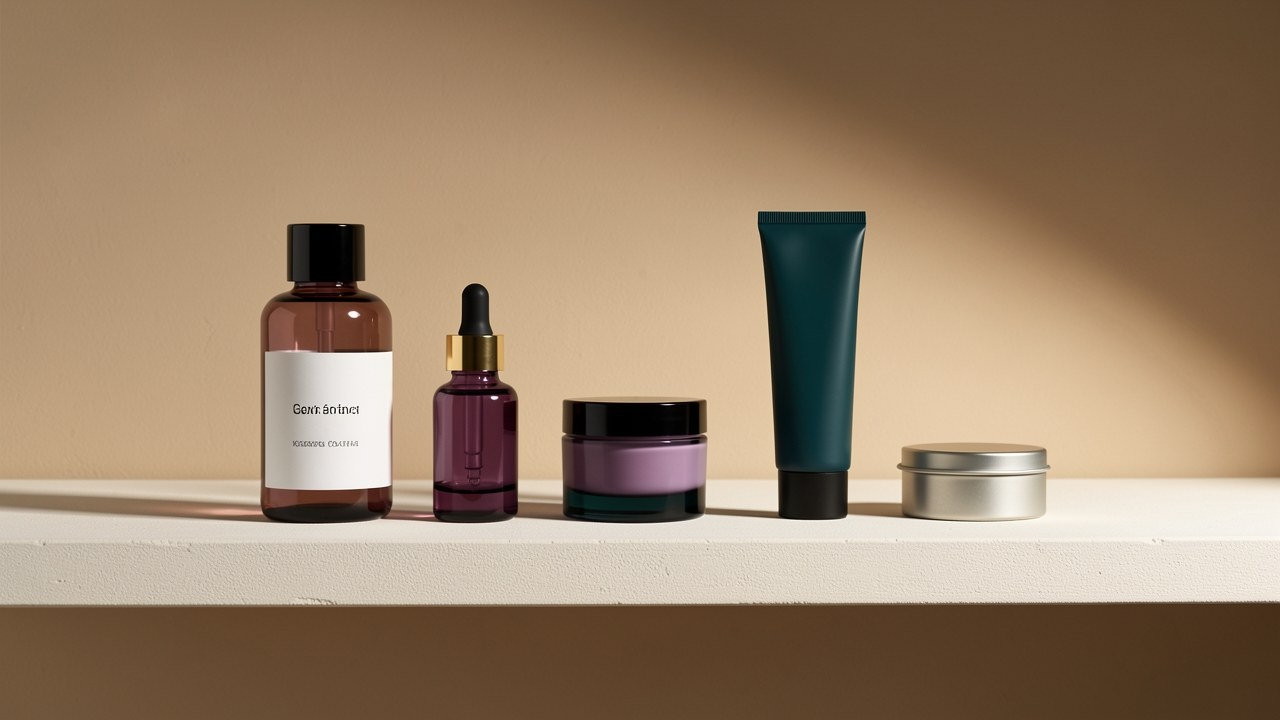
Cleansers: when a luxury price is mostly about texture and experience
Cleansers spend only a short time on the skin before being rinsed away. Their main job is to remove oil, sunscreen and debris without stripping the barrier. Because they are not designed to stay on the skin, the opportunity for expensive active ingredients to deliver long-term benefits is limited.
Dr. Mamina's category guidance places cleansers among the products where consumers generally do not need to overspend. That does not mean all luxury cleansers are poor value; it means the premium is more likely to buy a refined texture, a specific scent, elegant packaging or a sensorial ritual rather than a measurable improvement in skin condition. If those qualities matter to you, they are a legitimate reason to buy, but they should be understood as experiential rather than clinical.
One first-person luxury review supports this distinction. The reviewer stated that SkinCeuticals' basic cleansers and toners were not worth the premium, while still valuing other products from the same brand. That is a single subjective experience, but it illustrates the larger point: a brand can have worthwhile products in one category and underwhelming ones in another. Judge each product on its own rather than assuming a luxury label guarantees value at every step.
- A cleanser's short contact time limits how much active ingredients can do.
- Premium cleansers may offer better texture, scent or packaging rather than better cleansing.
- A mid-range gentle cleanser can support the rest of a routine without compromising results.
- If you enjoy the experience of a luxury cleanser and it fits your budget, treat it as a sensory choice rather than a performance upgrade.
Sources: Dr. Mamina (YouTube), LivingLesh
Serums and treatments: where formulation logic matters most
Serums and treatments leave actives on the skin, which is why this is the category where formulation choices can matter most. Two products may list the same active ingredient, but they can differ in concentration, pH, stability, delivery technology and how much irritation they cause. Those differences can affect both tolerability and results.
Dr. Mamina specifically names retinoids and vitamin C as categories where formulation quality matters because stability, delivery and irritation control influence performance. She also notes that budget-friendly retinoids exist from brands such as Roc, Olay and CeraVe, which means a higher price is not automatically required to get a working retinoid. The practical implication is not that you must buy luxury, but that this is one of the categories where paying more can reasonably be tied to better engineering rather than marketing alone.
The vitamin C example illustrates both the opportunity and the limitations of premium pricing. A first-person review stated that SkinCeuticals C E Ferulic uses 15% L-ascorbic acid, 1% vitamin E and 0.5% ferulic acid at pH 3.5 and described it as patented and clinically tested. Dr. Mamina's commentary also cites a 15% L-ascorbic acid formulation with ferulic acid as a standard vitamin C reference. Treat the specific percentages and pH as a reported description rather than a verified specification, and remember that a well-formulated drugstore vitamin C can also be a reasonable option.
Growth factors are another category where the dermatologist commentary says stability and delivery matter, making higher spending more defensible. The same commentary frames growth factors as working alongside retinoids rather than replacing them, so they are an add-on consideration rather than a substitute for a proven active.
- Serums are the strongest candidate for a luxury skincare splurge because actives remain on the skin.
- Concentration, pH, stability and delivery systems are real formulation variables in this category.
- Budget-friendly retinoids from Roc, Olay and CeraVe are named by the dermatologist as viable options.
- Growth factors may benefit from better formulation but work alongside retinoids, not instead of them.
- Reported ingredient percentages from a review should be treated as descriptions, not verified labels.
Sources: Dr. Mamina (YouTube), LivingLesh
Moisturizers: barrier ingredients versus luxury finishes
Moisturizers sit in an interesting middle ground. Their core job is to support the skin barrier and reduce water loss, which basic ingredients such as glycerin, ceramides, fatty alcohols and occlusives can do well at many price points. Dr. Mamina's guidance places basic moisturizers among the categories where most people do not need to overspend.
At the same time, a luxury moisturizer may offer a more pleasant texture, a more controlled finish, less pilling under makeup or a more refined sensory experience. Those qualities are real, but they are different from barrier performance. A first-person review stated that La Mer's basic Crème de la Mer can largely be replicated by moisturizers costing a fraction of the price, while the same reviewer considered other La Mer products worth repurchasing. That is one person's experience, not a measured comparison, but it illustrates how the value of a moisturizer can depend on which aspect you care about.
Brand-reported figures also require caution. LUXUO reported that La Mer states its own clinical studies show the cream improves skin barrier resilience by 81 percent in two weeks and reduces the appearance of certain lines after four weeks. Those results are brand-reported and lack study design, sample size and independent replication in the available material. They should not be treated as independent proof that the product outperforms less expensive alternatives. A moisturizer can be worth buying for its texture and finish even if you do not accept the marketing claims at face value.
- Basic barrier ingredients are widely available at mid-range prices.
- Luxury moisturizers may excel in texture, finish and layering under makeup.
- Brand-reported clinical figures are not independent verification.
- If you buy a luxury moisturizer for the experience, know that is what you are paying for.
Sources: Dr. Mamina (YouTube), LivingLesh, LUXUO
Masks and eye creams: high-price, low-necessity categories
Masks and eye creams are often priced at a premium, but they are rarely the first place to allocate a limited skincare budget. Masks are typically used occasionally and rinsed or removed, which limits how much sustained change they can deliver.
Eye creams are a clearer case. Dr. Mamina's commentary states that eye creams can help with fine lines, crepey texture and dark circles, but do not need to be luxury-priced. The same commentary indicates that peptides, gentle retinoids and caffeine matter more than packaging. That means a well-formulated mid-range eye cream can be a sensible choice, and a luxury eye cream is not automatically better because it costs more.
A first-person reviewer did consider La Mer's The Eye Concentrate worth repurchasing, which shows that individual experiences vary. That is a subjective opinion, not a comparative test. If you enjoy a luxury mask or eye cream and it fits your budget, it is reasonable to buy it as an occasional treat. Just do not treat these categories as the foundation of a results-focused routine.
- Masks are used briefly and occasionally, which limits their cumulative impact.
- Eye creams can help with fine lines, crepey texture and dark circles at various price points.
- Peptides, gentle retinoids and caffeine are named as more important than packaging.
- Occasional luxury masks or eye creams can be a personal treat rather than a core investment.
Sources: Dr. Mamina (YouTube), LivingLesh
SPF and basic care: where mid-range often performs well
Sunscreen is the single most important step for protecting skin from UV damage, and it is also a category where the formulation challenge is largely solved at accessible price points. Dr. Mamina's guidance places sunscreen among the categories where consumers generally do not need to overspend. Modern filters, stable UV protection and acceptable textures are available from many mid-range brands.
The same logic applies to other basic care products such as gentle cleansers and simple hydrating toners. These products support the rest of the routine without needing to be expensive. The main reason to choose a luxury version is usually cosmetic: a more elegant finish, a better scent, less white cast or a more pleasant application. Those are valid preferences, but they are not the same as better protection.
When you build a budget, treat SPF and basic care as areas where you can save without sacrificing the fundamentals. Put the money you save toward the categories where formulation quality is more likely to affect your results, such as a well-formulated retinoid or vitamin C serum.
- Sunscreen protection is widely available at mid-range prices.
- Basic cleansers and hydrating toners are supportive products where premium pricing is largely cosmetic.
- Choose an SPF you will use consistently rather than one you reserve for special occasions.
- Redirect savings from basic care toward active categories where formulation matters more.
Sources: Dr. Mamina (YouTube)
A simple budget allocation framework
If you are building a luxury skincare budget, start by listing your routine steps and grouping them into active and supportive categories. Active products are the ones designed to change the skin, such as retinoids, vitamin C serums and growth factor treatments. Supportive products are cleansers, basic moisturizers, sunscreen and simple hydrating toners.
Next, decide how much of your total budget you are comfortable spending on the active group. Because the available evidence indicates that actives are where formulation quality matters most, this is the logical place to concentrate your spending if you want the best chance of a performance difference. Within the active group, prioritize the products you will use consistently. A retinoid you tolerate and apply several nights a week is more valuable than a luxury serum you use occasionally because it irritates your skin.
For the supportive group, choose products that meet your basic needs without straining your budget. If you find a mid-range cleanser, moisturizer and sunscreen that you enjoy using, there is little reason to upgrade them unless the sensory experience is important to you. Finally, review your allocation periodically. Skin needs change with seasons, travel and life stages, and so should your budget. This framework is not a formula; it is a way to make deliberate choices instead of defaulting to the most expensive option in every category.
- List your routine and separate active products from supportive ones.
- Concentrate your budget on actives where formulation quality matters most.
- Prioritize products you will use consistently over occasional luxury purchases.
- Keep supportive products effective and affordable unless the experience is a priority.
- Revisit your allocation as your skin and circumstances change.
Sources: Dr. Mamina (YouTube), LivingLesh, LUXUO
Frequently asked questions
Is it ever worth buying a luxury cleanser?
It can be worth it if you value the texture, scent or packaging enough to enjoy the daily ritual. However, cleansers have limited contact time with the skin, and the dermatologist guidance available indicates that cleansers are a category where most people do not need to overspend for results. If your budget is limited and your goal is skin improvement, a mid-range gentle cleanser is a reasonable choice and the money is better directed toward an active product such as a retinoid or vitamin C serum.
Sources: Dr. Mamina (YouTube), LivingLeshAre luxury eye creams worth the price compared with regular moisturizers?
According to the dermatologist commentary, eye creams can help with fine lines, crepey texture and dark circles, but they do not need to be luxury-priced. Peptides, gentle retinoids and caffeine are described as more important than packaging. If a regular moisturizer works well around your eyes and does not cause irritation, it may be sufficient. A dedicated eye cream can still be useful if you want a lighter texture or specific ingredients, but the price alone is not a reliable indicator of benefit.
Sources: Dr. Mamina (YouTube)Should I spend more on serum or moisturizer if I can only upgrade one?
The available guidance suggests prioritizing the serum. Retinoids and vitamin C are categories where formulation quality matters because stability, delivery and irritation control affect performance. Moisturizers are primarily supportive, and basic barrier ingredients are widely available at lower prices. If you can only upgrade one step, a well-formulated active serum is more likely to justify the extra cost than a luxury moisturizer, unless the texture or finish of a specific moisturizer is important to you.
Sources: Dr. Mamina (YouTube), LivingLeshDo luxury sheet masks justify their price for occasional use?
Masks are used briefly and occasionally, which limits their cumulative effect. If you enjoy a luxury sheet mask as an occasional treat and it fits your budget, that is a valid personal choice. Treat it as a sensory experience rather than a core investment in skin improvement.
Sources: Dr. Mamina (YouTube)Sources
- The Luxury Skincare Review: Is High-End Beauty Worth the Splurge? - LivingLesh - a Philadelphia fashion & luxe lifestyle blog — LivingLesh
- Can Luxury Skincare Brands Justify Their Sky-High Prices? - LUXUO — LUXUO
- 4 Benefits to Buying Luxury Skincare Brands — Motif Skincare
- What Skincare Products Are Actually Worth Your Money — Dr. Mamina (YouTube)